Skip to content
If you’ve been looking into streaming services or IPTV solutions lately, chances are you’ve come across the name smartone. At first glance it might look like just another platform promising access to TV channels, movies, and series. But once you dig a little deeper, you start to understand why people keep mentioning it.
The truth is, most people discover smartone when they’re trying to simplify how they watch TV. Instead of juggling multiple apps, subscriptions, and devices, they want something straightforward. Something that simply works.
Let’s break it down in simple terms.
What Is Smartone?

Smartone is commonly associated with IPTV streaming solutions designed to deliver television content through the internet instead of traditional cable or satellite services.
In simple terms, it allows users to watch:
- Live TV channels
- Movies on demand
- TV series
- Sports broadcasts
- International content
All of this is streamed through an internet connection rather than a dish or cable box.
For example, someone with a smart TV, streaming stick, or Android box can install an IPTV player and connect it to a service like smartone to access a large content library.
What most people don’t realize is that IPTV technology itself isn’t new. It has been used by telecom companies for years. What changed recently is how accessible it has become for everyday users.
Why People Are Searching for Smartone
When people search for smartone, they’re usually looking for one of three things:
- A streaming solution with many channels
- A way to watch international TV
- A simpler alternative to expensive cable packages
Cable prices keep going up in many countries. Streaming platforms, on the other hand, offer more flexibility.
For example, a typical household might pay for:
- Cable TV
- Netflix
- Sports packages
- Movie channels
It quickly adds up.
IPTV services built around platforms like smartone aim to combine all of that into one interface.
How Smartone Works
The technology behind smartone is actually pretty straightforward.
Instead of sending TV signals through satellite or cable infrastructure, the content is delivered through internet servers.
Here’s the simplified process:
- TV content is stored or streamed from IPTV servers
- The service organizes channels and on-demand content
- The user accesses it through an IPTV app
- The content streams directly to the device
So instead of a cable box, you simply use:
- Smart TVs
- Streaming sticks
- Android TV boxes
- Tablets
- Smartphones
For example, someone using a Fire TV Stick can install an IPTV player, enter their service credentials, and start streaming almost instantly.
Devices That Typically Work With Smartone
One reason smartone gets attention is compatibility. Most modern streaming setups can run IPTV players.
Common devices include:
- Smart TVs (Samsung, LG, Android TV)
- Amazon Fire TV Stick
- Android TV boxes
- Apple TV (with supported apps)
- Smartphones and tablets
- Computers
The flexibility makes it attractive to people who don’t want to buy specialized hardware.
In simple terms, if your device can install a streaming app, there’s a good chance it can connect to IPTV platforms like smartone.
Features Users Often Look For

Not all IPTV solutions are the same. However, many people looking into smartone are hoping to find features such as:
Large Channel Selection
Many IPTV services provide hundreds or even thousands of channels from different countries.
Video on Demand
Movies and TV shows can be streamed whenever you want instead of waiting for scheduled broadcasts.
Electronic Program Guide
An EPG works like a digital TV guide, showing what’s currently playing and what’s coming next.
Multi-Device Streaming
Some setups allow multiple devices to stream at the same time.
HD and 4K Content
Streaming quality depends on both the service and your internet speed.
Internet Speed Matters More Than People Think
One thing beginners often overlook when exploring smartone is internet speed.
Streaming live television requires stable bandwidth. Without it, buffering becomes a problem.
A general rule many experienced users follow is:
- 10 Mbps for HD streaming
- 25 Mbps or more for 4K content
Of course, faster speeds always improve stability, especially when multiple devices are connected at the same time.
Is Smartone Easy to Use?
For beginners, the setup might look technical at first. But once you see the steps, it’s actually fairly simple.
A typical setup looks like this:
- Install an IPTV player app
- Enter the playlist or login credentials
- Load the channel list
- Start watching
That’s really it.
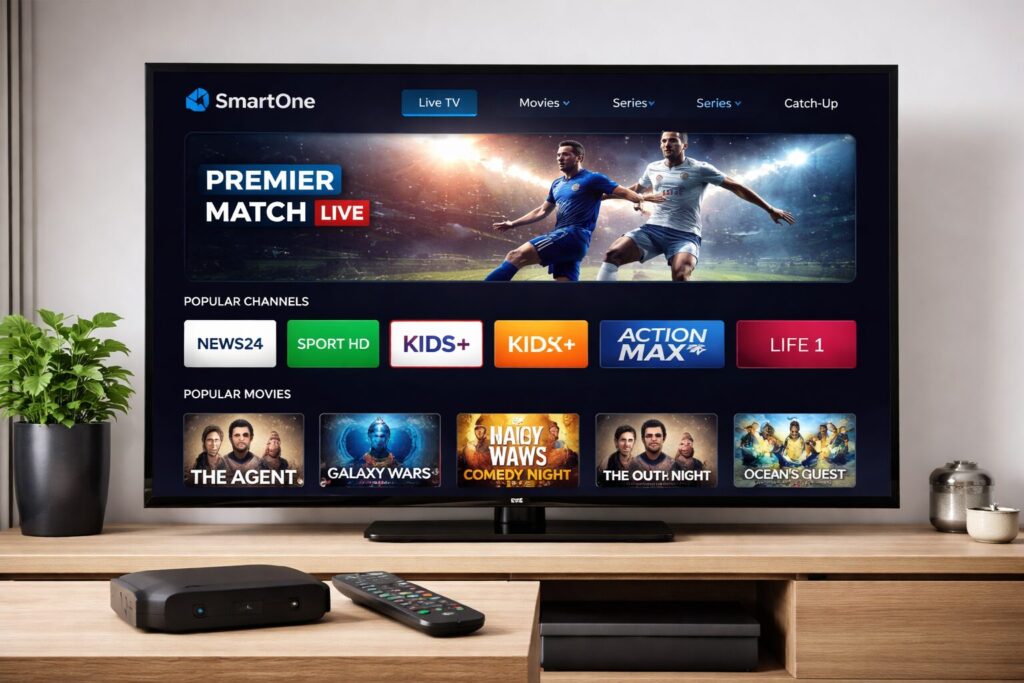
The interface usually shows categories such as:
- Live TV
- Movies
- Series
- Sports
From there, navigation feels similar to browsing Netflix or a regular TV guide.
The Real Advantage of Smartone
If you ask experienced IPTV users why they choose platforms connected with smartone, the answer usually comes down to flexibility.
Traditional TV locks you into:
- Contracts
- Hardware rentals
- Limited channel packages
IPTV, on the other hand, works over the internet and adapts to many devices.
For example, someone traveling can still watch their preferred channels on a laptop or smartphone.
That convenience is a big reason interest in IPTV platforms keeps growing.
Things to Consider Before Using Smartone
Like any streaming solution, there are a few practical things to think about.
Internet Reliability
Streaming depends heavily on a stable internet connection.
Device Compatibility
Make sure your TV or streaming device supports IPTV apps.
User Experience
Some services offer better interfaces and faster channel switching than others.
Content Availability
Channel lists vary depending on the provider.
Taking a little time to research these factors helps avoid frustration later.
Final Thoughts
The growing interest in smartone reflects a broader shift in how people watch television. Viewers want flexibility, larger content libraries, and the ability to watch from almost any device.
Instead of relying on traditional cable systems, IPTV platforms deliver entertainment directly through the internet.
For many users, that simply feels like a smarter way to watch TV.
And honestly, once people experience the convenience of streaming everything in one place, going back to the old system doesn’t feel nearly as appealing.